Categories: AI Video Workflow, Creator Strategy, Production Process
Tags: veo4ai, ai creation studio, ai video workflow, content strategy, creator toolkit
Introduction
The landscape of generative video has shifted with the arrival of Google Veo 4. This guide explores how the latest model transforms the production framework for creators using Veo4AI, focusing on higher fidelity, longer runtimes, and the technical breakthroughs that make professional-grade AI cinematography a reality.
Key Features of Google Veo 4
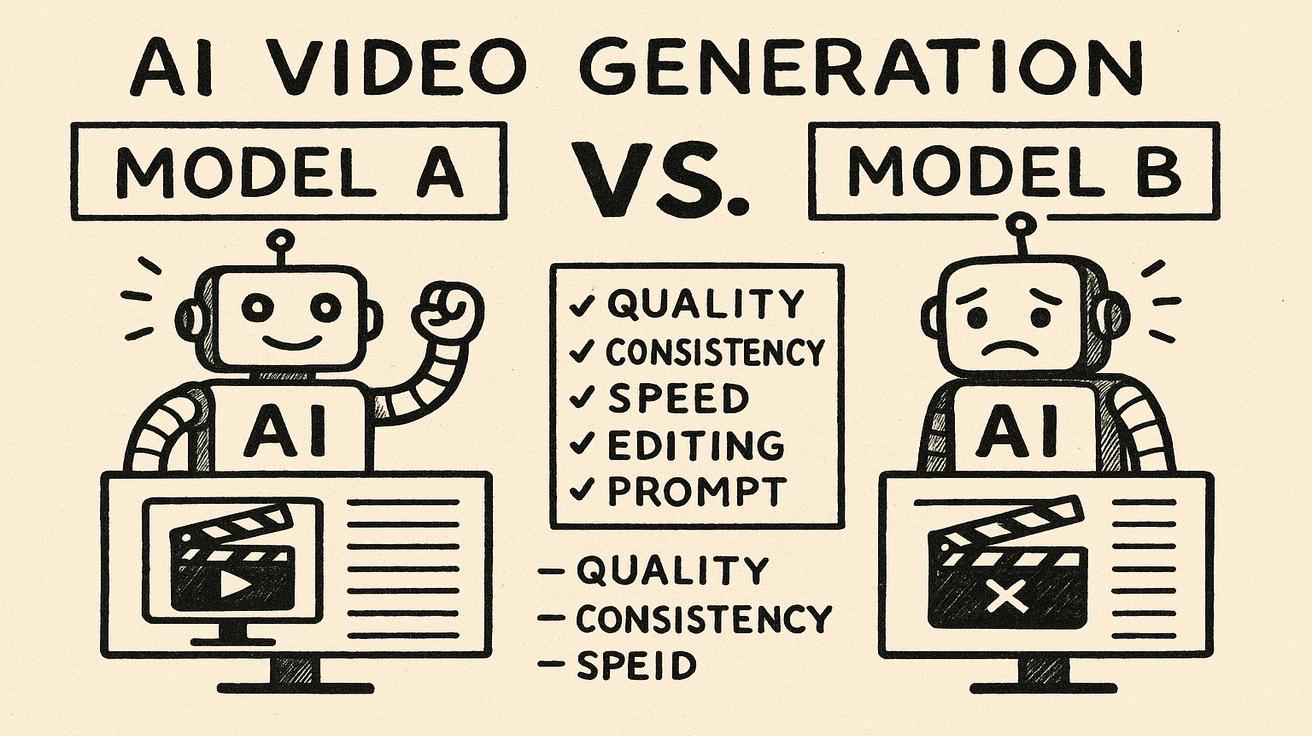
Veo 4 introduces a significant leap in visual fidelity, supporting resolutions up to 4K. Beyond raw pixel count, the model solves the "flicker" effect that plagued previous generations. By improving temporal consistency, the AI ensures that textures and objects remain stable from the first frame to the last, eliminating the distracting morphing issues found in older tools.
Why this matters for your workflow:
- High-End Output: 4K support allows for large-screen presentations and professional social media content.
- Reliability: Reduced visual artifacts mean less time spent re-generating clips to fix glitches.
- Consistency: Stable footage makes weekly content iteration more predictable.
Technical Improvements Over Veo 3
The most notable upgrade is the extension of video length. While Veo 3 was limited to shorter bursts, Veo 4 can generate continuous sequences up to 2 minutes long. This is powered by a massive architectural overhaul; the new transformer model boasts three times the parameters of its predecessor.
Despite this increased complexity, the system is 40% faster at rendering than Veo 3, thanks to optimized inference pipelines. This means creators can produce longer, more complex narratives in less time than it previously took to render a short clip.
Advanced Motion and Character Consistency
One of the hardest hurdles in AI video has been "character drift"—where a person's face or clothing changes between shots. Veo 4 solves this through advanced character anchoring technology. Whether a character is performing complex movements or the camera is orbiting them, their distinguishing features remain locked.
Furthermore, the model demonstrates a sophisticated understanding of real-world physics. It accurately simulates how light bounces off different surfaces and how materials—like silk versus heavy denim—behave when in motion. This realism is grounded in a training dataset of over 100 million high-quality video clips.
Professional Use Cases
The capabilities of Veo 4 extend across various industries:
- Marketing and Branding: Rapidly prototype product videos and brand stories. Small teams can now produce cinematic promotional content without the overhead of a full production crew.
- Education and Tutorials: Create instructional content with consistent "tutors" or characters, making complex concepts easier to visualize and follow.
- Entertainment and Film: Directors and game developers can use the tool for pre-visualization, testing camera angles and action sequences before moving into expensive physical production.
- Social Media: Generate optimized content for TikTok, Instagram, and YouTube that understands current aesthetic trends and aspect ratio requirements.
Best Practices for Using Veo 4
To get the most out of the new architecture, creators should focus on multimodal inputs. By combining detailed text prompts with reference images, you can leverage the model's 100-million-clip training library to its full potential. Because the model understands nuanced physics, describing the lighting and material types in your prompts will yield significantly more realistic results.
Practical Weekly Workflow with Veo4AI
- Define Objectives: Select a specific use case (e.g., a 60-second product demo) to test the new 2-minute limit.
- Anchor Your Characters: Use the anchoring features to establish a consistent lead for your series.
- Iterate Rapidly: Take advantage of the 40% faster generation speeds to test three different visual styles for every concept.
- Analyze Performance: Compare the engagement of 4K stabilized footage against your previous baseline.
Conclusion
The release of Veo 4 marks a transition from "experimental" AI video to a reliable production standard. By offering 4K resolution, character consistency, and extended runtimes, it provides the stability needed to scale content output. For creators looking to integrate these tools into a professional setting, the focus should remain on standardizing these new capabilities into a repeatable creative system.
Next Step
Explore Veo4AI workflow templates and start building your next project: https://veo4ai.im
FAQs
1) How does Veo 4 handle long-form content?
It can generate up to 2 minutes of continuous video while maintaining high quality and character consistency, a significant jump from the shorter clips of previous versions.
2) Is the generation speed slower because the model is larger?
No. Even with 3x more parameters, Veo 4 is roughly 40% faster than Veo 3 due to hardware optimization and better inference pipelines.
3) Can I maintain the same character across different scenes?
Yes. The new character anchoring technology is specifically designed to keep faces, outfits, and features consistent throughout complex sequences.