Categories: AI Video Workflow, Creator Strategy, Production Process
Tags: veo4ai, ai creation studio, ai video workflow, content strategy, creator toolkit
Introduction
Google Veo 4 represents a massive leap in generative video, offering creators unprecedented control over cinematic output. At Veo4AI, we believe that mastering this tool requires more than just typing a few words; it requires a strategic framework. This guide provides a practical roadmap to help you navigate the interface, craft high-performance prompts, and maintain a consistent production schedule.
Getting Started with Google Veo 4
To begin your journey with Veo 4, you must first secure access to the ecosystem. Currently, the primary gateway is through Google AI Studio.
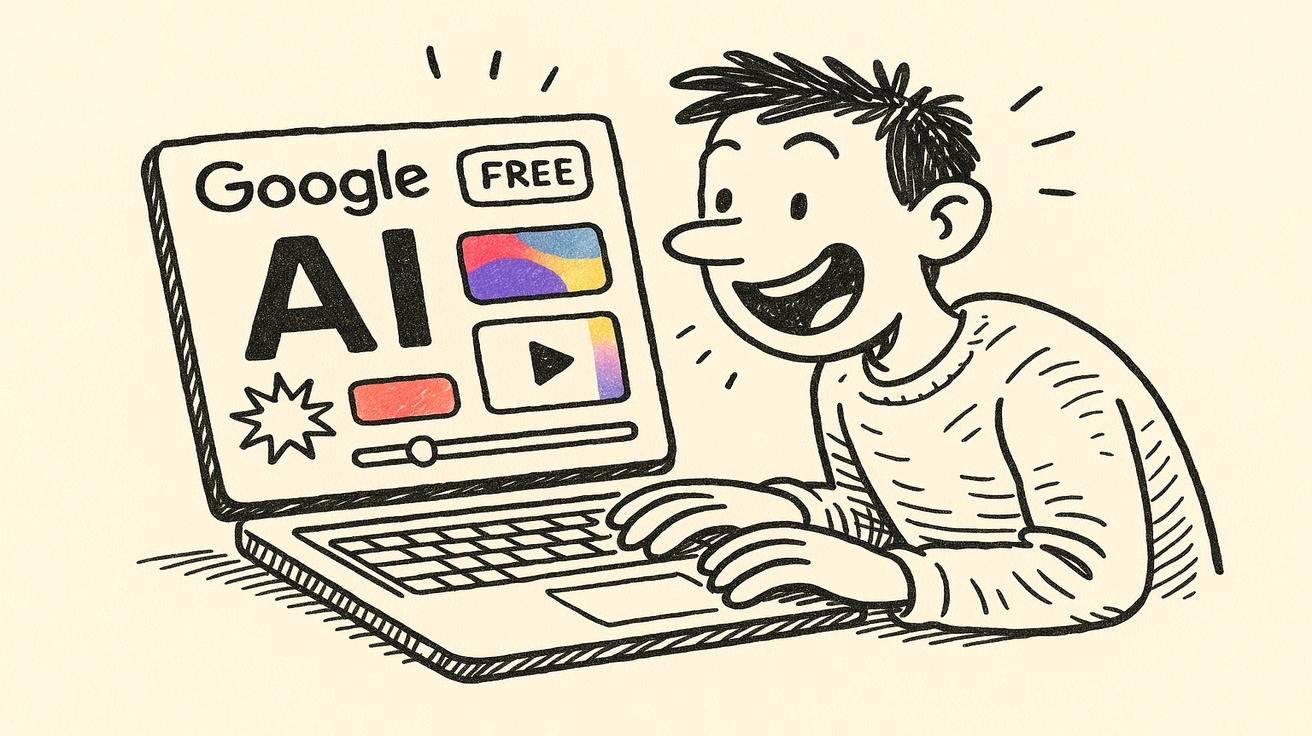
Step 1: Log In to Google AI Studio Navigate to the official Google AI Studio website. You will need to sign in using your Google credentials. If you are a new user, follow the prompts to create an account and complete the identity verification process required for high-level AI model access.
Step-by-Step Guide to Using Veo 4
Once you are inside the studio, the workflow is designed to be intuitive but rewards those who pay attention to detail.
- Select Input Method: Choose the "Text Prompt" option to start from scratch.
- Draft Your Description: Prepare a detailed narrative of the scene you want to visualize.
- Configure Settings: Adjust resolution and aspect ratios to fit your target platform.
- Generate: Click the "Generate" button. Veo 4 will process the request, and you can monitor the progress in real-time.
Mastering the Prompt: Best Practices for Optimal Results
A well-crafted prompt is the difference between a generic clip and a cinematic masterpiece. Move away from vague descriptions and embrace specificity.
- The Power of Detail: Instead of a weak prompt like "A person walking," use a strong, descriptive string: "A woman in a red coat walking confidently down a snowy city street, streetlights glowing in the evening twilight, snowflakes falling gently."
- Cinematography: Use technical camera terms such as "shallow depth of field," "wide angle shot," "close-up," or "aerial view" to direct the "lens."
- Lighting & Atmosphere: Define the time of day and mood using terms like "golden hour," "studio lighting," or "soft diffused light."
- Movement & Pace: Control the energy of the shot with keywords like "slow motion," "time-lapse," or "dynamic action."
- Aesthetic Style: Specify the final look, whether it’s "documentary style," "Instagram aesthetic," or "professional commercial."
Troubleshooting and Advanced Features
Even with advanced AI, you may encounter technical hurdles. One common issue is temporal inconsistency, where objects change shape or flicker between frames.
Solution: To fix consistency issues, try increasing the seed value precision in the advanced settings. Additionally, adding the phrase "temporally consistent" to your prompt can help the model maintain visual logic across the duration of the video.
Use Cases and Integration
Veo 4 is designed to fit into a broader professional ecosystem. Whether you are creating peaceful, whimsical scenes for social media or serious, dramatic sequences for film, the tool integrates seamlessly with other post-production software. By standardizing your prompt structure, you ensure that every video produced meets the high-quality baseline required for modern content strategy.
Practical Weekly Workflow
To scale your output using Veo4AI principles, follow this repeatable system:
- Define Objectives: Select specific prompt styles to test each week.
- Draft & Refine: Build concise drafts and iterate on the lighting and camera settings.
- Analyze: Compare your results against a single KPI, such as viewer retention or visual accuracy.
- Scale: Only move into high-volume production once you have found a prompt formula that works.
Conclusion
The most reliable way to scale content output is to standardize your production process. By mastering the technical nuances of Google Veo 4 and applying the Veo4AI framework, you can turn AI generation from a game of chance into a professional-grade production line.
Next Step
Explore more advanced video generation techniques and workflow templates at https://veo4ai.im.
FAQs
1) How do I get the best lighting in Veo 4? Use specific lighting terminology in your prompt, such as "blue hour" or "harsh shadows," to dictate how light interacts with your subjects.
2) What should I do if my video looks "glitchy"? Check your seed settings. Increasing precision and ensuring your prompt includes movement descriptors like "steady movement" can help stabilize the output.
3) Can I use Veo 4 for commercial projects? Yes, provided you follow the access requirements and usage guidelines set forth in Google AI Studio.