
The landscape of AI video generation has shifted dramatically in 2026. With the release of Google’s Veo 3 and Kuaishou’s Kling 3, creators now have access to cinematic tools that were once the stuff of science fiction. At Veo4AI, we’ve analyzed how these two titans stack up to help you choose the right engine for your production workflow.
Quick Summary: The Bottom Line
If you prioritize hyper-realistic physics and integrated sound design, Veo 3 is the industry leader. However, if your work demands 4K resolution, diverse artistic styles, and better value for the price, Kling 3 takes the crown.
What is Veo 3?
Veo 3 represents the pinnacle of Google DeepMind’s video research. Announced at Google I/O in May 2025 and refined through 2026, it is the most significant leap in the Veo lineage. It isn't just about moving images; it’s about a deep understanding of the physical world.
The standout feature of Veo 3 is Native Audio Generation. Unlike other models that require third-party tools for sound, Veo 3 generates synchronized audio—including dialogue, ambient noise, and specific sound effects—directly within the video file.
What is Kling 3?
Kling 3 is the flagship model from Kuaishou Technology, the Chinese giant behind Kwai. Building on the momentum of its predecessors, Kling 3.0 arrived in early 2026 as a powerhouse for high-resolution content. It has become the go-to for creators who need professional-grade output that holds up on large screens.
Video Quality and Resolution
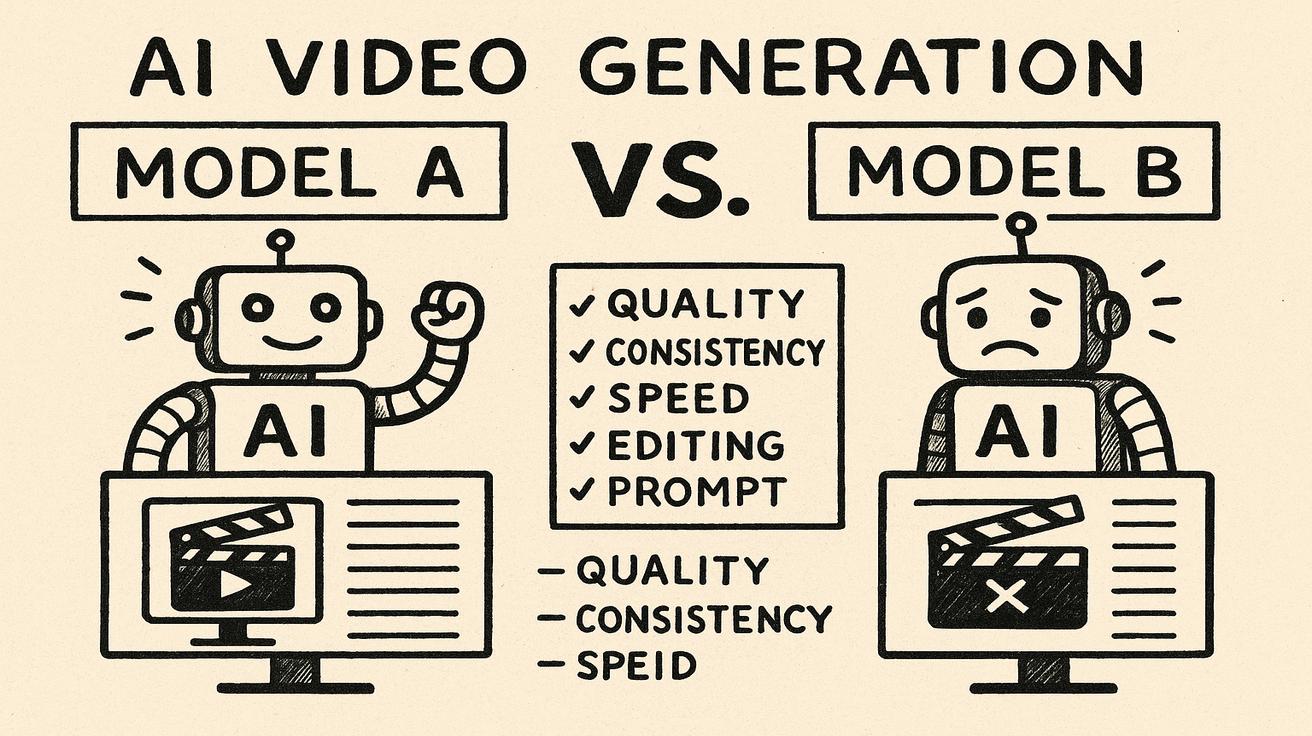
The choice between these two often comes down to a trade-off between realism and resolution:
- Kling 3 (The 4K King): Kling 3 is one of the few consumer-facing models offering genuine 4K output. This makes it indispensable for filmmakers who need to perform color grading or compositing in post-production.
- Veo 3 (The Physics Master): While capped at 1080p, Veo 3 wins on "naturalness." Thanks to DeepMind’s physics modeling, water flows with realistic fluid dynamics and fabrics move with appropriate weight and inertia.
Audio and Sound Generation
This is where Veo 3 leaves the competition behind. Its ability to generate "situational audio" is revolutionary. If you prompt a scene of a thunderstorm, Veo 3 produces the specific crack of thunder and the rhythmic patter of rain perfectly synced to the visual flashes. Kling 3, while visually stunning, lacks this level of native, multi-modal integration.
Creative Flexibility and Style
- Prompt Understanding: Veo 3 is arguably more consistent within a single clip. It excels at maintaining object permanence, ensuring that characters or items don't morph unexpectedly mid-scene.
- Stylistic Range: Kling 3 offers a much broader palette. Whether you are looking for 3D animation, watercolor aesthetics, or film noir, Kling 3 adapts to non-photorealistic styles with higher fidelity than Veo 3, which defaults heavily toward realism.
Use Case Breakdown: Which Should You Choose?
| Feature | Winner | Best For... |
|---|---|---|
| Realism | Veo 3 | Documentaries, lifelike simulations |
| Resolution | Kling 3 | Commercials, 4K film projects |
| Audio | Veo 3 | All-in-one social media clips |
| Artistic Style | Kling 3 | Anime, concept art, stylized ads |
Conclusion
The "best" tool depends entirely on your output requirements. For creators at Veo4AI, we recommend using Veo 3 when the "feel" and sound of the video are paramount. For projects destined for high-definition displays or those requiring a specific artistic flair, Kling 3 is the superior choice.
Next Step
Ready to optimize your video production? Explore Veo4AI workflow templates to streamline your creative process.
FAQs
1) Does Veo 3 support 4K resolution yet? As of the current 2026 rollout, Veo 3 focuses on 1080p with high-fidelity physics and audio, whereas Kling 3 is the primary option for native 4K.
2) Can I generate dialogue with Veo 3? Yes. One of Veo 3's most impressive updates is its ability to generate synchronized dialogue and ambient sound effects alongside the video.
3) Which model is better for stylized animation? Kling 3 is generally better for animation, anime, and other non-photographic styles, as it offers a wider range of aesthetic flexibility compared to Google's realism-focused model.